Nature & Wildlife
Respecting the places that make adventure possible
Across World Expeditions Travel Group, nature and wildlife are more than the backdrop to our adventures. They are central to many of the experiences we offer.
The landscapes we walk through, the ecosystems we witness and the wildlife we encounter shape journeys that inspire curiosity, perspective and connection. Wild places can also be important to local livelihoods, cultural identity and biodiversity.
We consider environmental and wildlife impacts when designing and operating our trips. This includes small-group travel, route planning, waste-management practices, animal-welfare standards and working with conservation and protected-area partners where appropriate.
Animal Welfare
We believe wildlife should not be exploited for entertainment.
You WILL NOT find these experiences on our trips:
- No elephant rides. We do not support close-contact elephant interactions.
- No lion exploitation. We reject cub petting, walking with lions and canned hunts.
- No cruel performances. We avoid animal shows or attractions that involve cruelty.
- No captive wildlife parks. We do not visit aquariums or marine parks holding large captive mammals.
- No harmful souvenirs. We do not purchase or promote souvenirs that involve animal cruelty or endanger wildlife.
- No forced encounters. We do not allow wildlife selfies or staged animal interactions.
You WILL find these experiences on our trips:
- Observe, don't interfere. We prioritise observing wildlife in its natural habitat and avoid forced or staged interactions.
- Include animals responsibly. Where working animals are part of a journey, we apply our animal welfare requirements and assess their care against our Animal Welfare Policy.
- Support responsible sanctuaries. Where sanctuary visits are included, we assess them against our Animal Welfare Policy and recognised animal-welfare guidance.
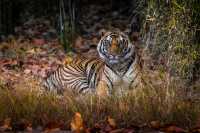
Animal Welfare in Action
Animals play a vital role in many of the environments and cultures we visit. We have a responsibility to ensure they are treated with respect, dignity and care across every trip that includes wildlife.
Our Commitment to Elephant-Friendly Travel
In 2014, we signed the World Animal Protection Elephant-Friendly Tourism Pledge. This led to a full audit of our itineraries, the removal of all elephant riding and entertainment activities, and the creation of our Animal Welfare Policy.
Today, our elephant experiences are limited to observation in the wild or visits to sanctuaries that meet our animal-welfare requirements.
Waste Management
- Follow Leave No Trace principles. We apply the Seven Principles of Leave No Trace on applicable trips.
- Reduce single-use plastics. We use education, refill initiatives and other measures to reduce reliance on single-use plastics.
- Pack it in, pack it out. We follow strict pack-in, pack-out policies on remote adventures.
- Manage waste. We separate, remove and dispose of waste in accordance with our operational procedures and available local waste systems.
- Support local initiatives. Where opportunities exist, we work with local partners on waste reduction and management initiatives.
- Invite action. Travellers are encouraged to take part in litter collection initiatives.
Waste Management in Action
From high-altitude trails to coastal regions, we take a practical, on-the-ground approach to minimising waste and protecting natural environments.
Accommodations & Private Comfort Camps
Our Private Comfort Camps are designed for remote environments, combining comfortable accommodation with practical measures to manage water, energy, waste and site disturbance.
Depending on the location, these measures include:
- Careful site selection. Camp locations are selected with consideration for sensitive habitats and surrounding environments.
- Non-permanent structures. Camps use removable structures designed to limit permanent disturbance to the site.
- Wildlife considerations. Camp planning takes local wildlife and habitat into account.
- Energy and water management. Camps use measures such as solar power, water-efficient systems and limited-water facilities where available.
- Waste management. Camps use systems such as water-free or composting toilets and procedures for managing and removing waste, depending on the location.
- Traveller information. Guests receive information about local environments and appropriate behaviour in natural areas.
Private Comfort Camps in Action
Our Private Comfort Camps use different environmental measures depending on their location. Follow the links below to learn more about the specific features of our camps in Nepal, Central Australia and Tasmania.
-
Nepal Eco Comfort Camps
Annapurna and Everest regions
learn more
-
Central Australia Eco-Comfort Camps
Larapinta Trail
learn more
-
Tasmanian Eco-Comfort Camps
Flinders Island
learn more